Hear from Our Customers
Illinois isn’t experiencing a temporary crime spike. The state Attorney General has a dedicated program for smash-and-grab organized retail crime. The Illinois Organized Retail Crime Association was formally established in December 2024. Governor Pritzker signed a smash-and-grab crime bill at Water Tower Place — a Magnificent Mile address that had been hit repeatedly by organized theft groups. This is a structural problem, and it’s been named at the highest levels of state government.
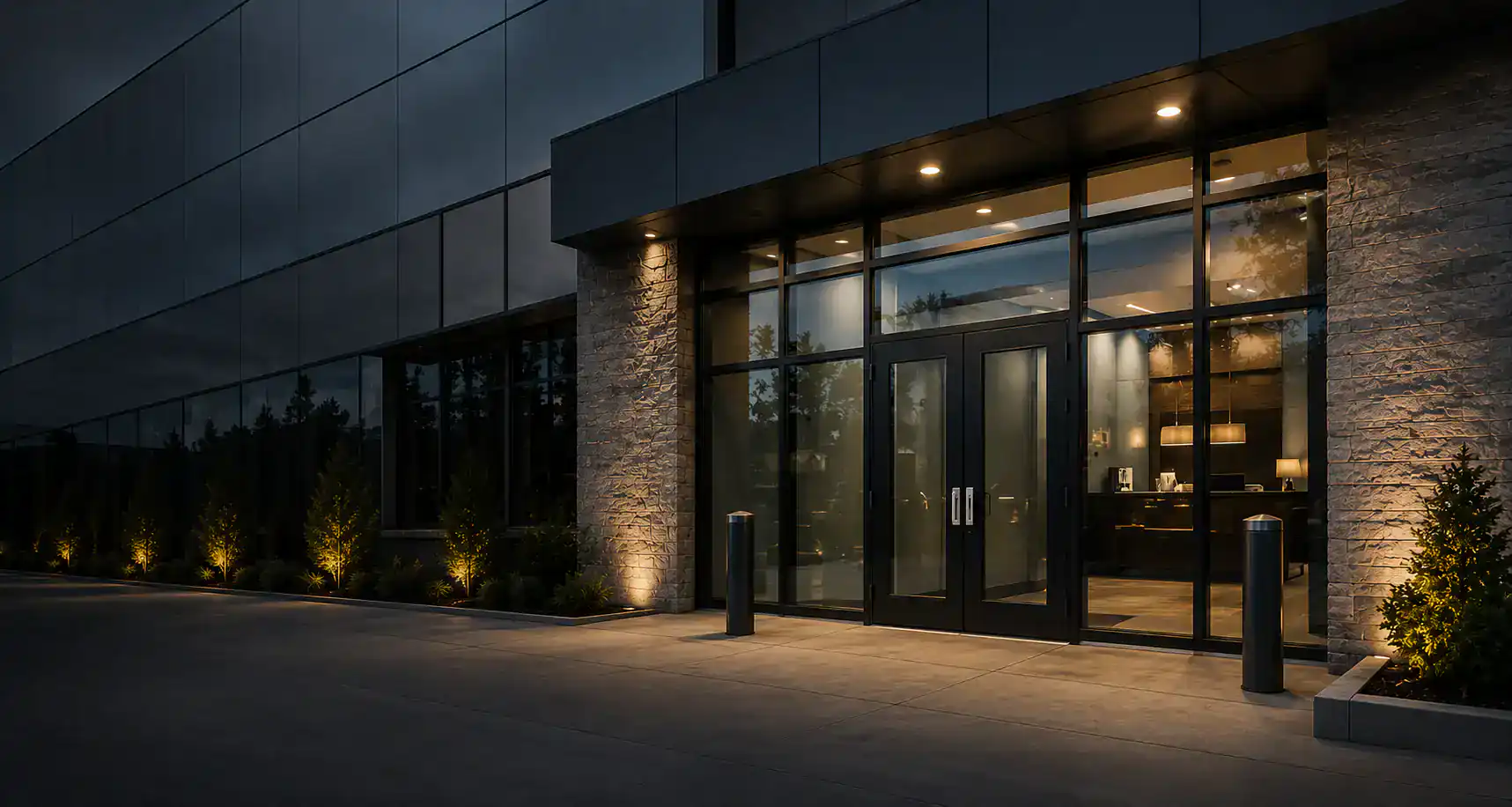
What bullet resistant glazing actually gives you is time and deterrence. A properly rated storefront, transaction window, or ballistic barrier doesn’t just absorb a threat — it changes the calculation for whoever is considering your business as a target. Most smash-and-grab crews move fast and move on when resistance goes up. A UL 752-rated system raises that resistance considerably.
For Illinois businesses along I-55 corridors through Springfield and Joliet, retail corridors in Rockford, cannabis dispensaries operating under IDFPR licensing requirements, or financial institutions regulated by state and federal banking authorities — the right glazing system isn’t a luxury. It’s the kind of infrastructure decision that protects your people, your inventory, and your ability to stay open.
We’ve been designing, engineering, and building bullet resistant systems for more than 45 years — out of our manufacturing facility in West Islip, New York. This company wasn’t built on marketing. It was built because gas station workers were getting shot and no one was building reliable protection for them. That origin story still drives how every system gets made.
What sets us apart from the local glazing contractors serving Chicago, Rockford, and Springfield is simple: we are the manufacturer. Local installers source ballistic glazing from somewhere. When you specify Action Bullet Resistant by name, you know exactly what you’re getting — a precision-fabricated, fully tested system with documented UL 752 certification across Levels 1 through 10.
Our co-owner Joseph Hayes holds a Professional Engineer license and a LEED AP credential. That matters in Illinois, where commercial building permits — especially in Cook County and under the new statewide building code that took effect January 1, 2025 — require engineering documentation that a glazing installer simply cannot provide. We can.
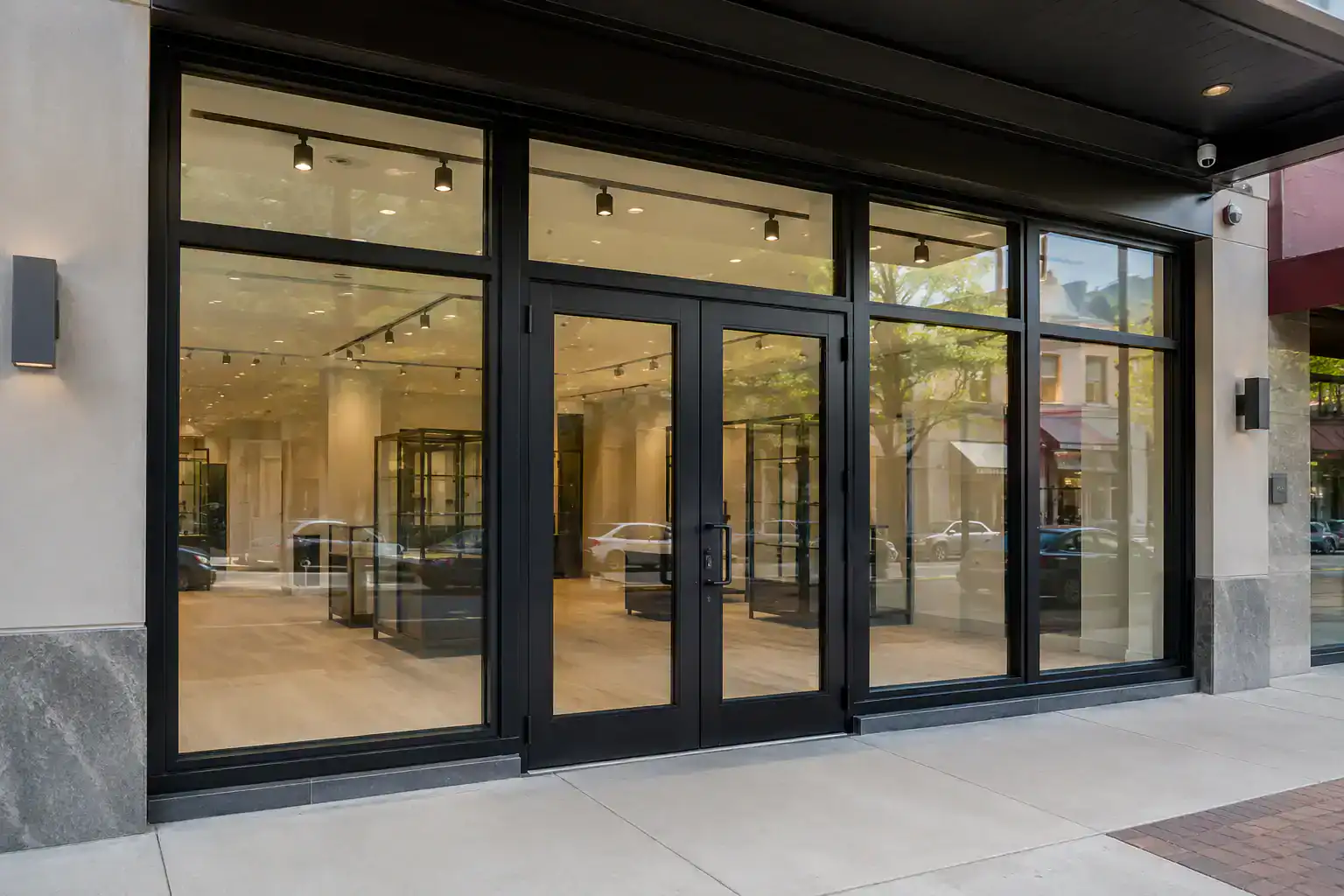
It starts with understanding your actual threat environment. A convenience store on the South Side of Chicago has different exposure than a state agency office in Springfield or a cannabis dispensary in the suburbs. Our engineering team works through the specifics of your application — what you’re protecting against, who’s on the other side of the glass, and what the architectural constraints are — before recommending a protection level. That’s how you end up with the right system, not the most expensive one.
From there, we develop the full specification package. For Illinois commercial projects, that means architectural drawings, 3-part specs, and technical data sheets that comply with the new statewide ICC-based building code framework that took effect January 1, 2025. Chicago projects follow the city’s separate home-rule building code, and our PE-led engineering team knows the difference. If you’re applying for Illinois Not-for-Profit Security Grant Program funding or an IEMA school security grant, the documentation we provide is exactly what those applications require.
Once the system is specified and approved, it’s manufactured at our West Islip facility and delivered ready to assemble. The framing, glazing, transaction windows, and hardware are engineered to work together — not sourced from three different vendors and hoped to fit. Installation is handled by your contractor with our technical support behind it, keeping your project on schedule and your building department satisfied.
Ready to get started?
Illinois presents a combination of threats that most states don’t stack together the same way. You’ve got a documented organized retail crime environment, a financial services sector that employs nearly 7% of the state’s workforce and carries significant physical security obligations, federal buildings under GSA Region 5 management that must meet the P100 Facilities Standard, and — increasingly — a severe weather environment where Illinois surpassed its annual tornado record before the halfway point of 2026. We manufacture systems rated for both ballistic and blast threats, which means a single certified system can address armed intrusion and high-wind explosive events in the same installation.
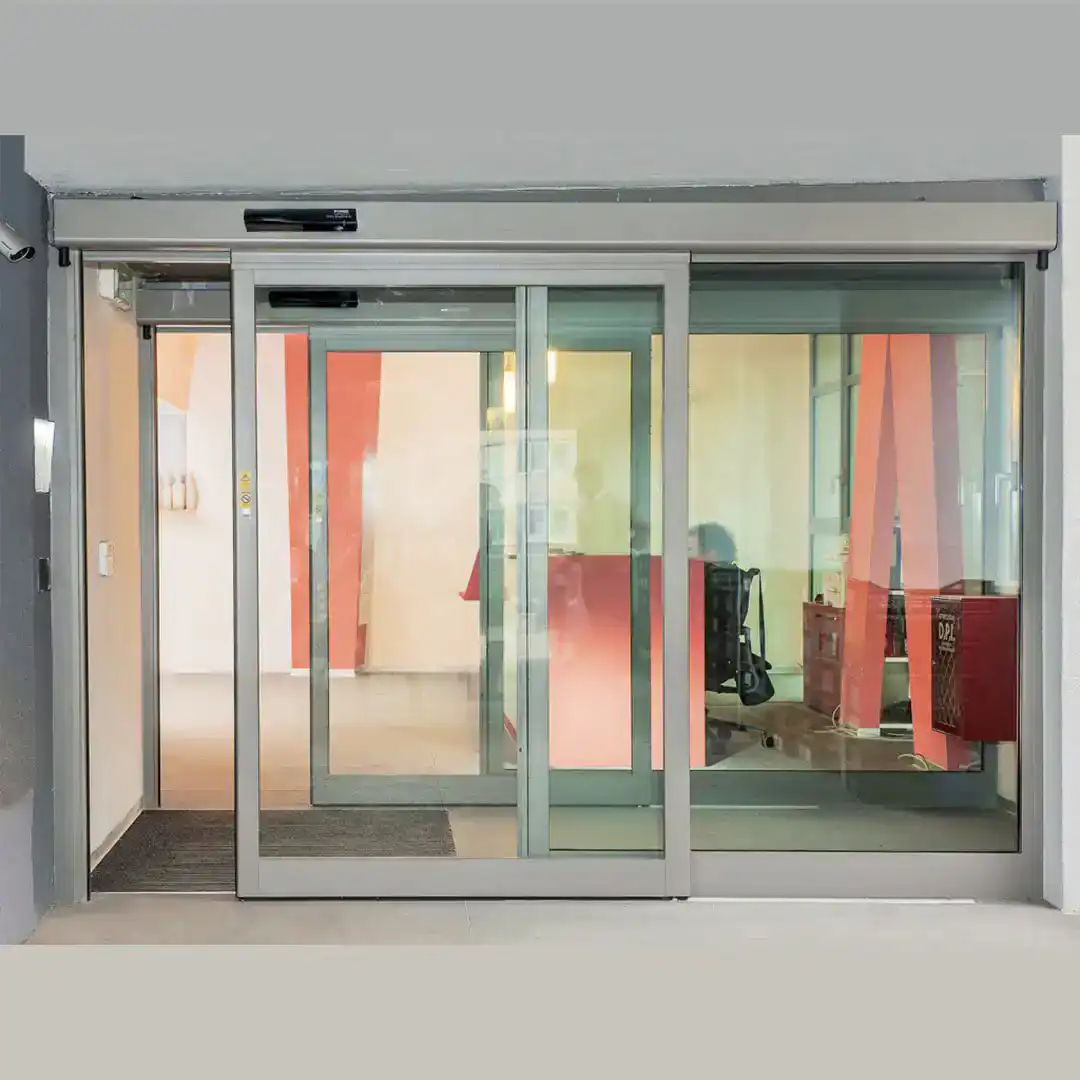
Our product line covers the full range of what Illinois buyers actually need. Bullet resistant storefronts in aluminum series protect retail corridors and cannabis dispensaries along I-90 and I-88 suburban corridors. Bullet resistant transaction windows in stainless steel — with deal tray pass-through systems — are the standard for Illinois banks, credit unions, and currency exchanges operating under IDFPR oversight. Fiberglass ballistic panels at UL 752 Levels 1 through 6 work for wall applications in pharmacies, schools, and government reception areas. The LytArmor Flex panel conforms to curved surfaces and non-standard geometries, which matters in Chicago’s architecturally complex commercial interiors where rigid panels simply won’t fit.
Every system comes with the UL 752 certification documentation, technical specifications, and engineering drawings that Illinois building departments, grant administrators, and institutional procurement offices require. Nothing is self-declared. Everything is third-party tested.
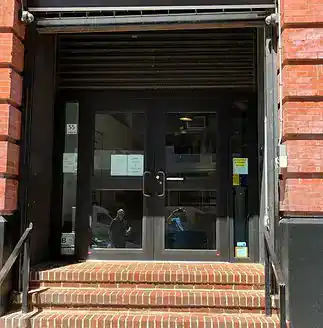
Illinois legalized recreational cannabis in 2020, and dispensaries operating under IDFPR licensing are required to maintain robust physical security as a condition of their license. In practice, most cannabis dispensaries across Illinois — whether in the Chicago suburbs, Rockford, or downstate — are specifying UL 752 Level 1 through Level 3 protection for their transaction windows and storefront glazing. Level 1 covers three shots of 9mm FMJ ammunition, which represents the most common handgun threat in retail environments. Level 3 steps up to .44 Magnum and is appropriate for higher-risk locations or dispensaries in areas with elevated robbery exposure.
The more important consideration for Illinois dispensaries is documentation. Your licensing authority will want to see that your security systems are properly certified — not just that you installed some thick glass. Our UL 752-certified transaction windows and ballistic panels come with the certification records and technical specifications that support your licensing compliance file. That documentation gap is exactly where uncertified products and local resellers fall short.
Yes, and this is one of the more underutilized funding opportunities in the Illinois security market. The Illinois Not-for-Profit Security Grant Program (NSGP-IL), administered by IEMA, made $150 million available in State Fiscal Year 2025 for physical security enhancements at 501(c)(3) organizations deemed at elevated risk. Eligible uses include target hardening measures — which covers bullet resistant glazing, reinforced doors, and ballistic barrier systems. Religious organizations, social service nonprofits, and community centers across Illinois have been active applicants.
The critical requirement for grant-funded projects is documentation. Grant administrators need to see that the systems being installed are properly certified, not just described as “bullet resistant” by a vendor. Our UL 752-certified systems come with full technical specifications, certification records, and — through our PE-led engineering team — the architectural documentation that grant applications and building permit submissions require. If your Illinois organization is in the process of applying or has already received funding, we can provide the specification package that keeps your project compliant and your grant application credible.
Illinois’s statewide building code took effect January 1, 2025, under Public Act 103-0510. For the first time in the state’s history, every jurisdiction outside Chicago is required to comply with minimum ICC building code standards — including Chapter 24, which governs glass and glazing. Before this change, hundreds of Illinois municipalities had no uniform code at all. Now, commercial glazing projects statewide must meet engineered standards, and building departments that previously had minimal oversight are now required to enforce them.
For bullet resistant glass installations specifically, this means your system needs to be properly specified with engineering documentation — not just purchased and installed. Our co-owner Joseph Hayes is a licensed Professional Engineer, and we provide the architectural drawings, 3-part specifications, and technical data sheets that Illinois building departments now require for permit approval. Chicago operates under its own home-rule building code and is exempt from the statewide transition, but the same documentation standards apply there. If your project is in Cook County, DuPage, or anywhere downstate, our engineering team knows what your building department needs and can deliver it.
This is a genuinely Illinois-specific question, and it’s worth taking seriously. Illinois surpassed its annual tornado record before the halfway point of 2026, and researchers have identified the Chicago metropolitan area as a zone of expanding tornado risk due to high-density suburban development. A 2025 tornado near Marion, Illinois, reached EF3 intensity and caused significant damage near a federal prison. These aren’t hypothetical scenarios — they’re documented events in Illinois communities.
We manufacture systems rated for both ballistic and blast threats. Blast-resistant glazing is engineered to withstand explosive pressure differentials — which overlaps meaningfully with the kind of high-wind and debris impact forces that severe tornado events generate. It’s not a direct one-to-one substitution for FEMA-rated storm shelter glazing, but for Illinois government buildings, schools, and critical infrastructure that need to address both armed threats and severe weather resilience, a dual-rated bullet and blast resistant system provides a level of protection that a standard ballistic-only product does not. If your project requires documentation of blast resistance ratings alongside ballistic certification, our engineering team can provide both.
Local glazing contractors in Illinois — including those serving Chicago, Rockford, Peoria, and Springfield — install bullet resistant glass, but they don’t manufacture it. They source ballistic glazing from somewhere, and that somewhere matters enormously when it comes to UL 752 certification, system compatibility, and engineering accountability. When a contractor sources glazing from a low-cost distributor, you may not know whether the product has been independently tested, what level it actually performs at, or whether the framing system is rated to match the glazing.
When you specify Action Bullet Resistant by name, you’re going directly to the manufacturer. The glazing, framing, transaction windows, and hardware are all engineered to work together as a certified system — not assembled from mismatched components. Our 45-year manufacturing history, PE-led engineering team, and UL 752 Levels 1 through 10 certification mean that what arrives at your Illinois job site has been fully tested and documented before it leaves our West Islip facility. For architects and GCs working on Illinois commercial projects, specifying Action Bullet Resistant by name eliminates the specification risk that comes from leaving material sourcing to a local installer.
Properly installed bullet resistant glazing typically lasts 15 to 20 years before yellowing or optical degradation becomes a practical concern. That timeline can be shorter in Illinois’s climate — the state’s hot, humid summers create UV exposure conditions that can accelerate yellowing in acrylic ballistic glazing that lacks UV-resistant coatings, and the severe freeze-thaw cycling of Illinois winters stresses framing seals and edge bonds over time. Specifying the right material for Illinois’s climate is part of getting the system right from the start.
There are two situations where replacement should happen sooner regardless of age. First, if the glass has been shot, it needs to be replaced immediately. A ballistic glazing system that has absorbed an impact no longer has structural integrity — it may look intact but it will not perform to its rated level if hit again. Second, if your facility is undergoing renovation and the existing system is more than a decade old, it’s worth evaluating whether the current protection level still matches your threat environment. Illinois’s organized retail crime landscape has shifted significantly in recent years, and a Level 1 system installed in 2010 may no longer be appropriately rated for a high-traffic Chicago retail corridor in 2025.
Useful Links
Other Services we provide in Illinois