Hear from Our Customers
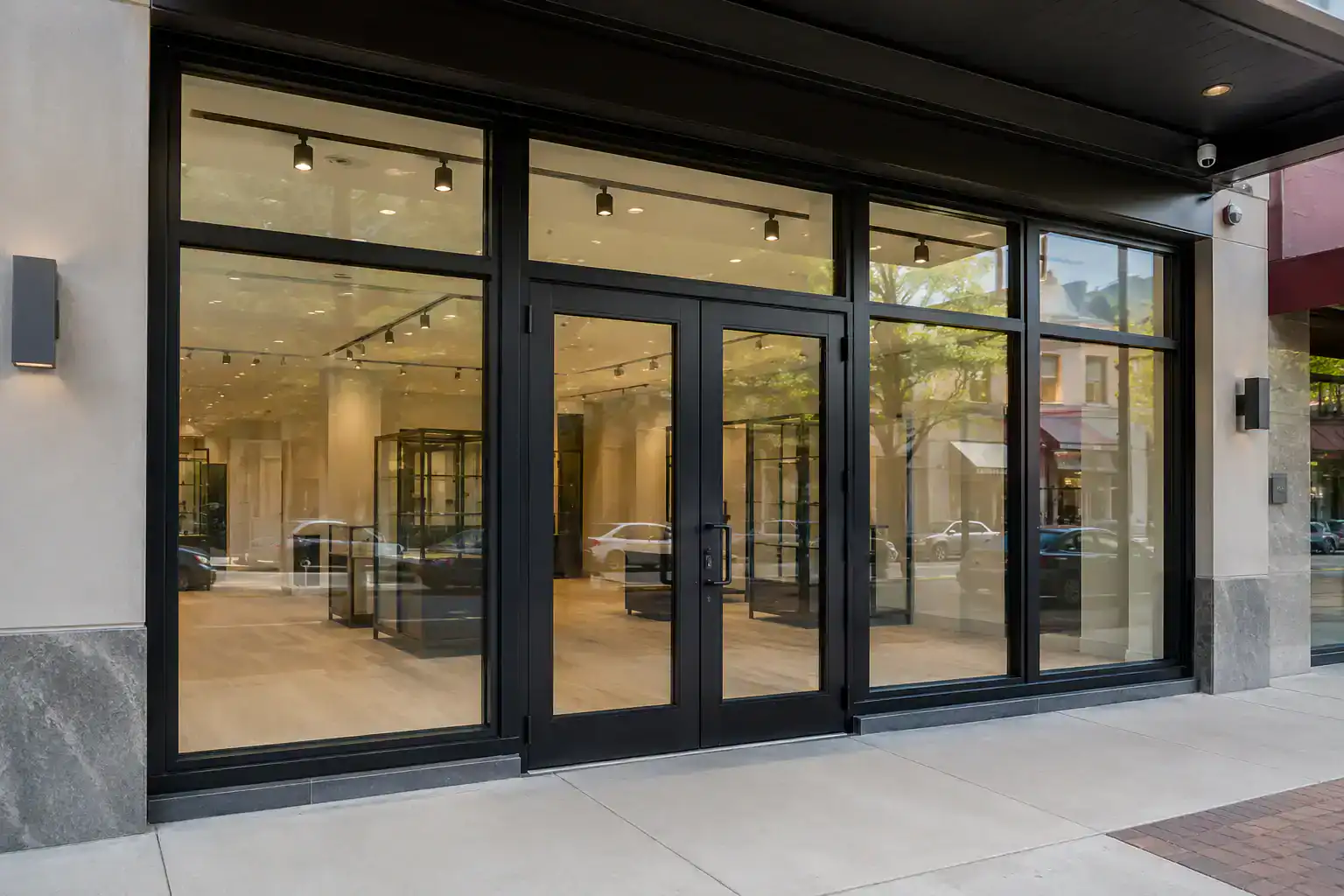
The difference between a close call and a tragedy is often a few inches of certified glazing. When your transaction window, storefront, or entry door is built to UL 752 standards, the person behind it has a real chance. That’s physics. And for Georgia businesses dealing with the kind of organized, coordinated retail crime that pushed the state to create a dedicated statewide enforcement unit in July 2024, physics matters more than ever.
Georgia’s commercial landscape is genuinely varied. You’ve got dense retail corridors along I-285 and SR 400 in Metro Atlanta, port-adjacent industrial and logistics facilities near Savannah, federal buildings in Augusta and Athens, and military-adjacent commercial zones near Fort Eisenhower and Robins Air Force Base. Each of those environments carries its own threat profile, and the right ballistic glazing system addresses that specific profile — not a generic one.
There’s also a weather angle that’s easy to overlook. Georgia has recorded 134 billion-dollar weather and climate disaster events since 1980, including 68 severe storms and 27 tropical cyclones. Many laminated ballistic glazing systems — particularly glass-clad polycarbonate configurations — also hold up against wind-borne debris impact. For coastal facilities in Chatham or Glynn County, or commercial buildings in Georgia’s tornado-prone northern and central corridors, that’s a meaningful added layer of protection from a single installation.
We’ve been designing and manufacturing bullet resistant glass systems for more than 45 years. The company was built in direct response to real-world violence — founded specifically because gas station workers needed protection and nobody was building it well enough. That origin still drives how every system is engineered today.
We’re co-led by Joseph Hayes, PE, LEED AP — a licensed Professional Engineer. That matters in a state like Georgia, where architects working on new commercial construction in fast-growing counties like Gwinnett, Forsyth, and the Savannah-Pooler corridor need more than a product catalog. They need PE-stamped engineering documentation, 3-part specs, and a manufacturer who can support the project from specification through installation.
Every system we ship is manufactured at our West Islip, New York facility. Made in USA production isn’t a tagline here — it’s a procurement requirement for Georgia’s substantial government and military buyer segment, and it’s a quality control measure that directly affects lead times and technical support for Georgia-based project teams.
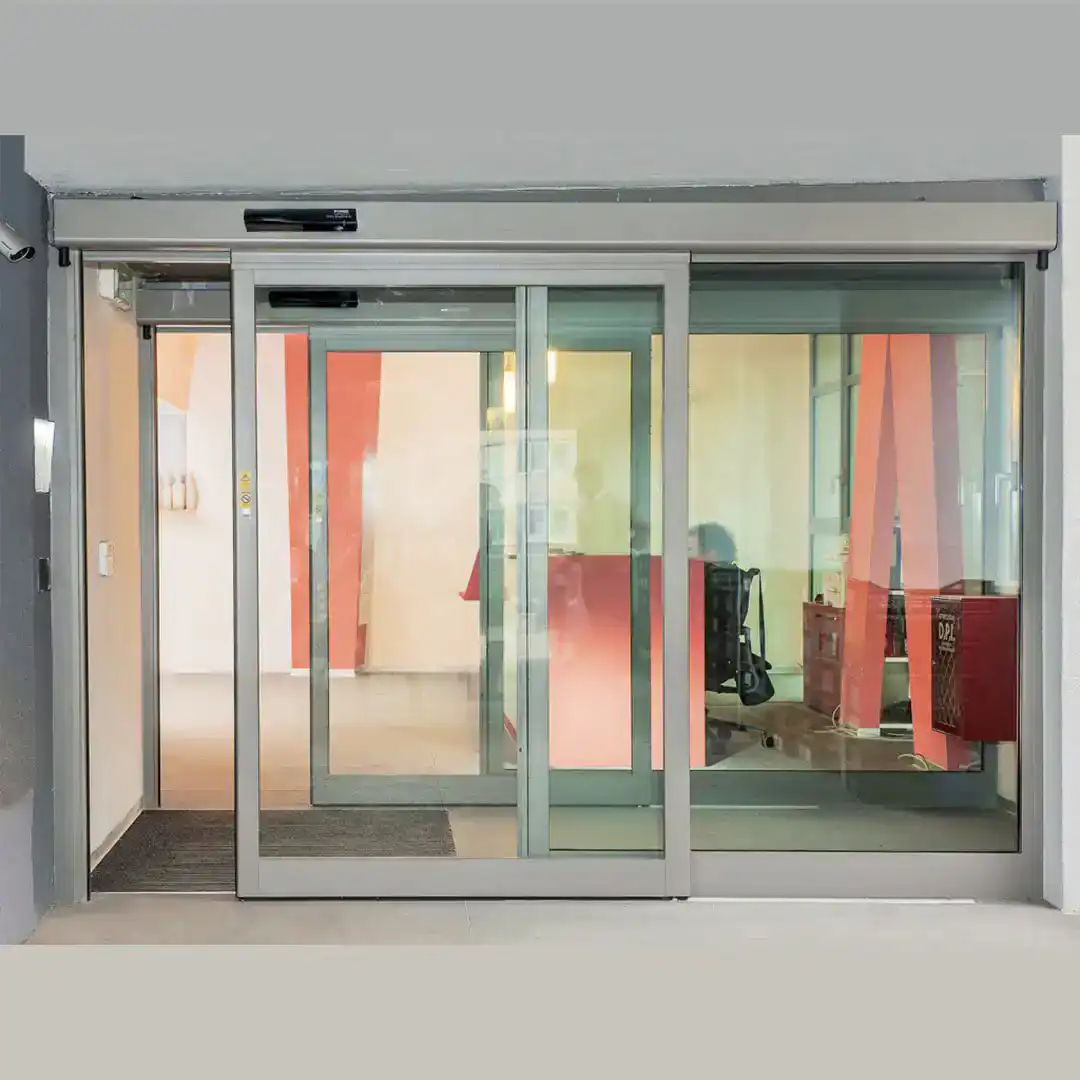
It starts with understanding what you’re actually protecting against. The UL 752 rating system runs from Level 1 through Level 10, and the right level depends on your specific threat environment — not on what sounds most impressive. A Metro Atlanta convenience store on a high-traffic corridor has a different threat profile than a federal building in Augusta or a port authority facility near Savannah.
Our PE-led engineering team helps you work through that before anything gets specified or ordered. Once the threat level is established, the system gets designed around your actual space. That means custom-sized ballistic glazing, rated aluminum or steel framing, transaction windows if your application needs them, and any ancillary components like deal trays or fiberglass ballistic panels — all engineered as an integrated unit.
Georgia’s State Minimum Standard Building Code requires that each glazing pane bear the manufacturer’s mark designating type and thickness, and every system we ship includes the documentation needed to satisfy that requirement and your local authority having jurisdiction. Installation coordination is something Georgia buyers often ask about, particularly for occupied commercial spaces. Because our systems are designed as ready-to-assemble units, installation is more straightforward than piecemeal sourcing from multiple vendors.
If your project involves a renovation in an active retail space along I-75 or I-85, or a new-build specification in one of Georgia’s rapidly developing suburban corridors, the system’s integrated design reduces the coordination complexity that typically extends timelines and creates compatibility problems between components.
Ready to get started?
We manufacture the complete range of ballistic protection systems — bullet resistant windows, bullet resistant doors, bullet resistant storefronts, bullet resistant curtain walls, bullet resistant transaction windows, and fiberglass ballistic panels — across UL 752 Levels 1 through 10. That full-spectrum coverage matters in Georgia because the state’s buyer base is genuinely diverse.
A community bank in Macon has different requirements than a DoD contractor facility near Fort Benning, and a school vestibule in Cherokee County needs a different specification than a cannabis dispensary in Midtown Atlanta handling high volumes of cash. Our transaction window product line deserves specific attention for Georgia’s financial and retail sector. We build stainless steel bullet resistant transaction windows — with pass-through and deal tray systems — for high-volume counter environments where the barrier needs to function smoothly under daily use without looking like it was bolted on as an afterthought.
For Georgia’s growing cannabis dispensary market, where regulatory structure currently limits banking access and cash handling is heavy, these systems address a real operational security gap. For Georgia facilities that face both ballistic and blast threats — particularly those near military installations or federal courthouses — we offer bullet and blast resistant doors and storefronts that provide dual-rated protection from a single system.
Our proprietary LytArmor Flex panel extends that protection to curved surfaces and complex architectural geometries, which is relevant for Georgia’s mix of historic Savannah buildings, curved-glass commercial towers in Buckhead, and distinctive university facilities across Athens and Atlanta. No pricing is published — all systems are custom-engineered and quoted based on project specifications.
There is no statewide Georgia law that mandates bullet resistant glass in private commercial establishments as a blanket requirement. However, that doesn’t mean you’re operating without any applicable standards. Georgia’s State Minimum Standard Building Code — which adopts and amends the International Building Code — requires that glazing panes bear the manufacturer’s mark designating type and thickness, so any ballistic glazing you install needs to be properly certified and identified. That’s one reason UL 752 certification matters: it’s third-party verified, not self-declared.
For federal buildings across Georgia — in Atlanta, Augusta, and Athens — the GSA’s P100 Facilities Standard does mandate bullet resistant glazing in specified areas, and those requirements are non-negotiable for building tenants and contractors. OSHA has recommended for nearly two decades that late-night convenience stores install bullet resistant glass barriers. That recommendation carries significant weight when an incident occurs and liability is being evaluated. Your local authority having jurisdiction will determine any additional permitting requirements for the structural modifications involved in installation — it’s worth verifying those requirements before your project begins.
The right UL 752 level depends on the type of threat your facility is realistically likely to face. For most Georgia retail businesses — convenience stores, pharmacies, gas stations, cannabis dispensaries — Levels 1 through 3 cover the most common threat scenarios. FBI data consistently shows that handguns account for roughly 80% of retail incidents, and Levels 1 through 3 are specifically rated against handgun calibers ranging from 9mm through .44 Magnum.
For a high-traffic retail location along I-285 or in a busy commercial corridor across Georgia, that’s typically the right starting point. Banks and financial institutions generally spec at Levels 3 through 5, which extends coverage to rifle threats. Government buildings and facilities near Georgia’s military installations — Fort Eisenhower, Robins Air Force Base, Fort Stewart — often require Levels 4 through 8, and in some cases higher.
We manufacture systems across the full UL 752 spectrum, Levels 1 through 10, so the specification can be matched precisely to your threat environment rather than rounded up to the nearest available option. Our engineering team can walk through that assessment with you before anything is designed or ordered.
It depends on the specific glazing configuration, but in many cases, yes — there is meaningful overlap. Many laminated ballistic glazing systems, particularly glass-clad polycarbonate at UL 752 Levels 1 through 3, provide resistance to wind-borne debris impact in addition to ballistic protection. Georgia has recorded 134 billion-dollar weather and climate disaster events since 1980, including 68 severe storms and 27 tropical cyclones.
Coastal facilities in Chatham, Glynn, and Camden counties face documented hurricane risk, and commercial buildings across northern and central Georgia sit in the Dixie Alley tornado corridor. That said, ballistic glazing and impact-rated glazing are not the same thing, and they are tested to different standards. A system that meets UL 752 ballistic certification has not necessarily been tested to Florida Product Approval or ASTM E1886/E1996 impact standards, and vice versa.
If your Georgia facility is in a coastal county or a high-risk storm zone, it’s worth discussing both threat categories during the specification process so the system you install is engineered to address both — not just one. Our engineering team can work through that dual-threat scenario with you.
Under normal conditions, bullet resistant glass typically lasts 15 to 20 years before yellowing becomes a concern — particularly for acrylic and uncoated polycarbonate configurations. Georgia’s subtropical climate is worth factoring in here. The state’s hot, humid summers and intense UV exposure year-round accelerate the yellowing and crazing process in glazing that doesn’t have UV-resistant coatings.
If your system is installed in a south-facing storefront in Savannah or a high-sun-exposure retail location in Metro Atlanta, that lifespan can be shorter without the right protective coatings specified from the start. The more immediate replacement trigger is impact. If your bullet resistant glass actually gets shot, it needs to be replaced — full stop. The structural integrity of the glazing is compromised after an impact event, even if the glass appears to have held.
It will not perform to its rated level on a subsequent shot. Other replacement scenarios include significant crazing that affects visibility, building renovations that change the framing configuration, or situations where the existing system no longer matches the current threat assessment for your facility. We can help you evaluate whether an existing system still meets your needs or whether a replacement specification is warranted.
Yes. We manufacture and ship systems to Georgia clients from our West Islip, New York facility. For Georgia buyers — whether you’re a business owner in Columbus, a facilities manager at a federal building in Augusta, or an architect specifying a new commercial project in the Savannah-Pooler corridor — the process works the same way it does for any national client.
Our engineering team works through your project remotely, gathers the specifications needed to design your system, and produces the technical documentation your project requires. For Georgia architects and general contractors, that documentation includes 3-part specifications, CAD drawings, and PE-stamped engineering support from co-owner Joseph Hayes, PE, LEED AP. Georgia’s active commercial construction market — particularly in fast-growing counties like Gwinnett, Forsyth, and Cherokee — means specifying engineers frequently need that level of documentation to move a project through plan review.
The systems themselves are designed as ready-to-assemble units, which simplifies coordination with your local installation contractor and reduces the compatibility risk that comes from sourcing glazing, framing, and hardware from separate vendors.
The local Georgia market for security glazing includes companies like SEB Glass in Atlanta, D&B Commercial Glass out of Alpharetta, and MG Glass in the Atlanta area. These are commercial glazing contractors — they offer ballistic-rated glazing as one service category among many. None of them are dedicated bullet resistant manufacturers, and none have disclosed UL 752 certification levels prominently in the way that a manufacturer with third-party verified testing would.
We are a manufacturer — not a glazing contractor, not a reseller. Every system is engineered and built in-house, tested to UL 752 standards across Levels 1 through 10, and supported by a licensed Professional Engineer at the company leadership level. That distinction matters when you’re specifying for a government facility near Fort Benning, a financial institution in Macon, or a school entry vestibule in Cobb County.
A glazing contractor can source and install a product. A manufacturer with 45 years of engineering history and PE-led design can tell you exactly what the system will do, why it’s specified the way it is, and stand behind that answer with documented engineering accountability. For Georgia buyers where the stakes are real, that’s a meaningful difference.
Useful Links
Other Services we provide in Georgia