Hear from Our Customers
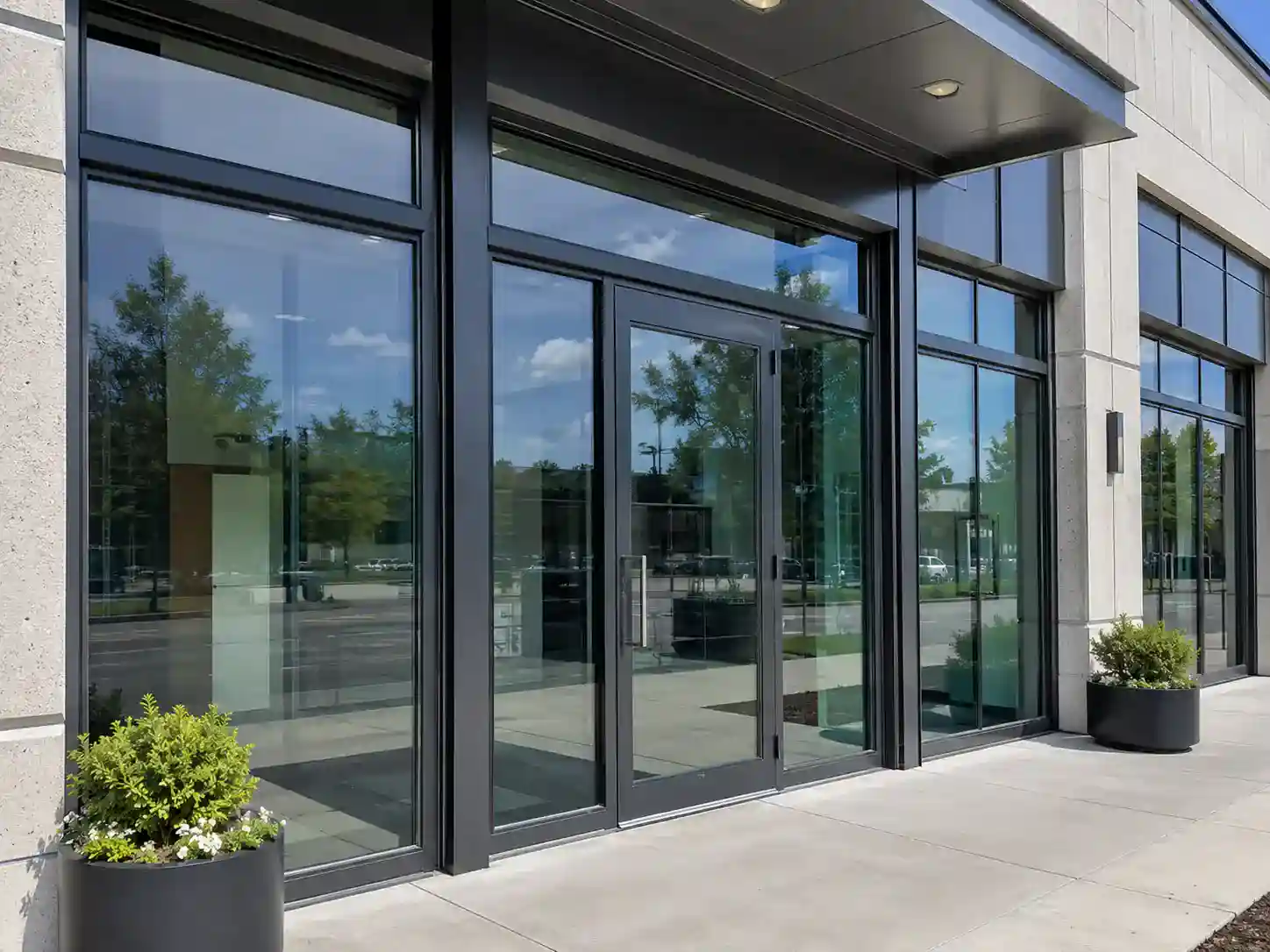
When a bullet resistant glazing system is properly specified and installed, the most immediate change isn’t dramatic — it’s operational. Your staff stops working behind a barrier that makes them anxious. Your customers walk in without feeling like they’ve entered a fortress. The space still looks like what it’s supposed to be, whether that’s a bank lobby in Hartford, a pharmacy in Bridgeport, or a corporate reception area in Stamford. That’s what a well-engineered system actually delivers: protection that doesn’t announce itself.
Connecticut’s building stock adds a layer of complexity that generic systems can’t handle. A significant share of the state’s commercial buildings — particularly in downtown Hartford, New Haven, and the older Fairfield County town centers — are historic masonry structures with existing framing that wasn’t designed to support modern ballistic glazing. Getting the right system into one of those buildings requires custom engineering, not a catalog order. We custom-manufacture every system to fit the actual opening, match the existing architecture, and hold up to the thermal cycling Connecticut winters demand.
For Connecticut’s defense-adjacent facilities — the administrative buildings around Sikorsky in Stratford, the contractor campuses near Electric Boat in Groton, the supplier offices surrounding Pratt & Whitney in East Hartford — the outcome also includes blast resistance. Bullet resistant glass that isn’t rated for blast is only half the answer for those environments. We build systems that carry both ratings, from a single manufacturer, with a licensed Professional Engineer signing off on the design.
We’ve been engineering and manufacturing bullet resistant windows, doors, storefronts, curtain walls, and transaction systems for more than 45 years. The company was founded in direct response to real armed threats against gas station workers — not as a market opportunity, but because there was a genuine need and nobody was filling it well. That origin still shapes how we operate.
Our manufacturing facility is in West Islip, New York — roughly 60 miles from Greenwich via I-95. For Connecticut buyers in Fairfield County, that’s not a distant national vendor; that’s a regional manufacturer who understands Northeast construction, coastal exposure conditions, and the architectural standards that Stamford, Greenwich, and Westport commercial environments require. For buyers in Hartford County and New Haven County, it’s the same proximity advantage — a full-system manufacturer close enough to engage directly, not just ship product.
Co-owner Joseph Hayes holds a Professional Engineer (PE) license and LEED AP credential. In a state where Pratt & Whitney and Electric Boat set the engineering standard for every supplier in their orbit, that credential matters. Every system we produce is reviewed and backed by a licensed engineer — not a sales team, not a marketing department.
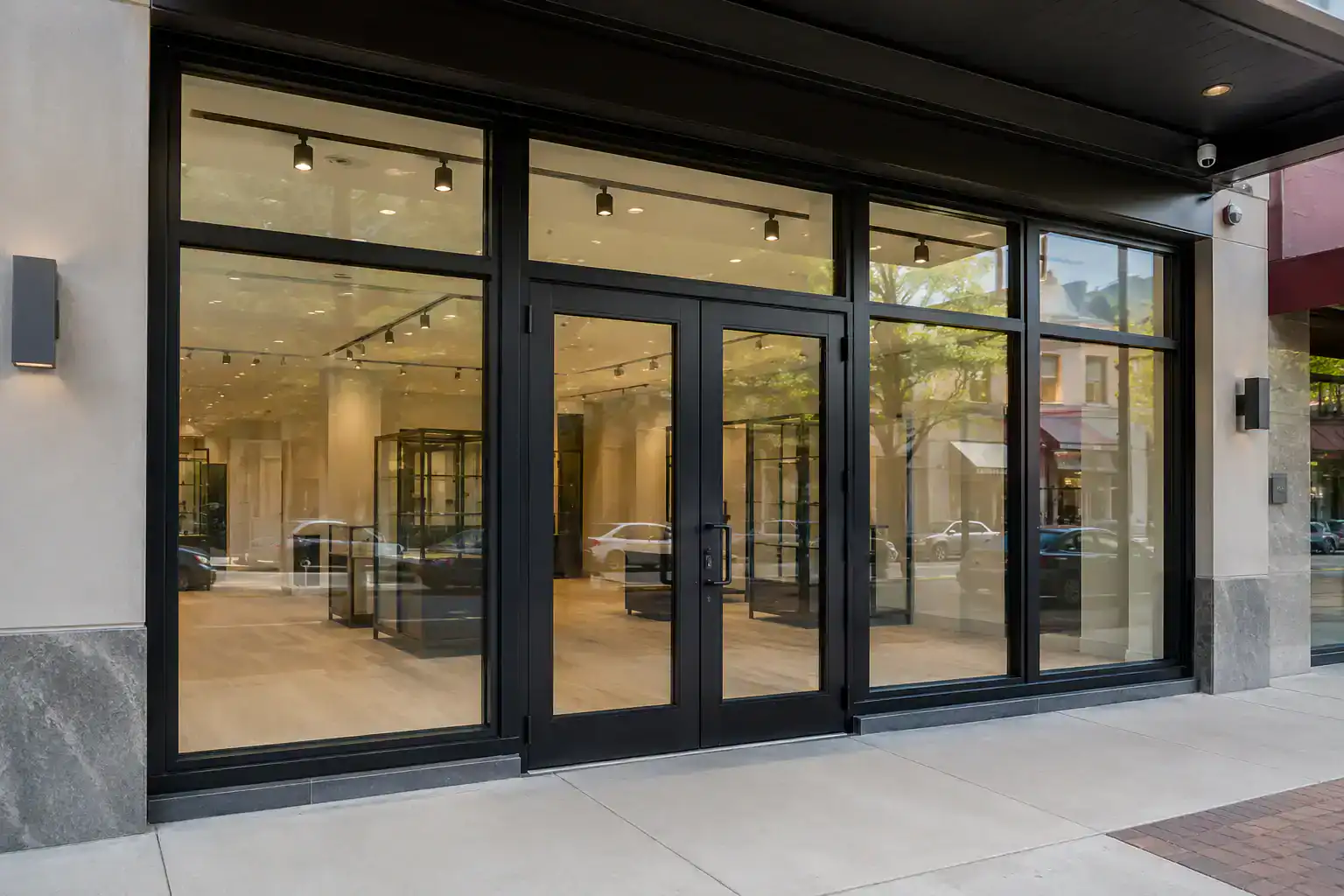
The process starts with understanding what you’re actually protecting against. For a retail business in Bridgeport or New Haven, that’s typically handgun-level threats — UL 752 Levels 1 through 3 cover the vast majority of those scenarios. For a financial institution in Hartford or a government building near the Capitol complex, the specification may go higher. For a defense-adjacent facility in Groton or Stratford, blast resistance enters the conversation alongside ballistic ratings. Our engineering team works through that threat assessment with you before anything is designed or quoted.
Once the protection level is established, the system is custom-engineered to your specific openings. This is where the historic building stock common across Connecticut becomes relevant — older masonry structures in Hartford, New Haven, and Bridgeport often require non-standard framing dimensions and careful structural integration. We manufacture the complete system: ballistic glazing, aluminum or steel framing, transaction windows, deal trays, and wall panels. Everything comes from the same manufacturer, so there are no compatibility gaps between components.
Connecticut commercial projects require building permits for structural glazing modifications under the 2022 Connecticut State Building Code. Our team provides the technical documentation — 3-part specifications, CAD drawings, and engineering sign-off — that your architect, GC, or facilities manager needs to move through the permitting process. School district projects, which often proceed during summer break to minimize disruption, benefit from having that documentation ready before the construction window opens. The goal throughout is a system that goes in correctly the first time, because you don’t get a second chance to spec this right.
Ready to get started?
We manufacture across the full range of UL 752 Levels 1 through 10. Most buyers in Connecticut’s commercial corridor — retail, pharmacy, financial services, medical — are working in the Level 1 through Level 5 range. Government buildings, law enforcement facilities, and defense-adjacent campuses often require Level 6 through Level 8 or higher. We cover all of it from a single manufacturing source, which matters when your protection requirements are specific and your procurement process demands documented certification, not marketing claims.
Our product line includes bullet resistant windows, bullet resistant doors, bullet resistant storefronts, bullet resistant curtain walls, bullet resistant transaction windows with stainless steel framing and deal tray options, and fiberglass ballistic panels rated to UL 752 Levels 1 through 6. For applications where rigid panels can’t go — curved architectural features, complex interior designs common in Fairfield County’s corporate environments — LytArmor Flex is our proprietary flexible ballistic panel. It conforms to curved surfaces without sacrificing protection or adding unnecessary weight.
Connecticut’s coastal communities along the I-95 corridor from Greenwich through New Haven face salt air and moisture exposure that can compromise framing systems over time. Our aluminum and steel framing options are specified with that environment in mind. For buyers working in New London County near the Naval Submarine Base or along the shoreline, that’s not a minor detail — it’s the difference between a system that holds up and one that degrades. All systems are proudly manufactured in the USA, which also satisfies Buy American and GSA compliance requirements for Connecticut’s government and defense institutional buyers.
In the years following the Sandy Hook Elementary School shooting in Newtown, Connecticut significantly expanded its investment in school security infrastructure. Connecticut school districts can access state grant funding through programs designed specifically for physical security hardening — including upgrades to entry points, glazing systems, and access control. Whether a specific project qualifies depends on the district, the scope of the work, and the current funding cycle, so the best starting point is your district’s facilities director and the Connecticut Department of Administrative Services.
What matters from a product standpoint is that grant-funded projects typically require documented UL 752 certification, not self-declared performance claims. Our systems are UL 752-certified and come with the full technical documentation — 3-part specs, CAD drawings, and engineering sign-off — that procurement processes require. School projects in Connecticut often move during the summer construction window to avoid disruption, so having that documentation ready before the school year ends is worth planning for.
For the majority of Connecticut’s commercial businesses — retail stores, pharmacies, gas stations, convenience stores, medical offices — UL 752 Levels 1 through 3 cover the realistic threat profile. FBI data consistently shows that handguns account for roughly 80% of retail crime incidents, and Levels 1 through 3 are specifically tested against handgun ammunition ranging from 9mm through .44 Magnum. For most businesses along Connecticut’s commercial corridors in Bridgeport, Hartford, New Haven, and Waterbury, that range is the right starting point.
Financial institutions in Hartford’s insurance district or Fairfield County’s banking and wealth management corridor may warrant Level 3 through Level 5 depending on the volume and nature of transactions. Government buildings and law enforcement facilities typically require Level 4 and above. The right answer depends on your specific environment, your threat assessment, and sometimes your insurer’s requirements. Our engineering team can walk through that with you — the goal is to specify the right level, not the highest level, because over-specifying adds cost and weight without adding meaningful protection for your actual risk profile.
Connecticut’s climate creates real performance considerations that buyers should understand before specifying a system. The state’s winters regularly produce temperatures well below freezing in inland areas like Waterbury, Torrington, and the Litchfield County hills, while summers can push into the 90s. That temperature swing — sometimes 100 degrees or more between seasons — creates thermal cycling stress on laminated glass systems and the sealants holding them in place. A system that isn’t specified with appropriate thermal expansion tolerances can develop frame gaps or delamination over time.
For Connecticut’s coastal communities along I-95 from Greenwich through New Haven and continuing northeast along US Route 1, salt air and moisture exposure add another layer of stress on framing systems. Aluminum framing that isn’t properly anodized, or steel framing without the right protective finish, will degrade in those conditions. We engineer our systems with these environmental realities in mind, and the full system — glazing, framing, hardware — comes from a single manufacturer, so there are no compatibility gaps that create weak points. Properly specified and installed, bullet resistant glazing systems have a lifespan of 15 to 20 years or more before issues like yellowing or crazing become relevant.
Yes. In Connecticut, structural glazing modifications to commercial buildings require building permits under the 2022 Connecticut State Building Code, which is based on the 2021 International Building Code. Chapter 24 of that code governs glass and glazing materials, design, and construction for both exterior and interior applications. Any project that involves replacing or adding ballistic glazing in an existing commercial structure — whether in Hartford, Stamford, New Haven, or anywhere else in the state — needs to go through the local building department.
The permit process typically requires documentation that the glazing system meets applicable safety standards. For bullet resistant systems, that means UL 752 certification documentation, framing specifications, and often engineer-stamped drawings. We provide the full technical package: 3-part specifications, CAD drawings, and engineering sign-off from a licensed Professional Engineer. That documentation is what your architect or GC needs to submit a complete permit application and move the project forward without delays. If you’re working in a municipality with additional local requirements — Hartford, Bridgeport, and New Haven each have their own building departments with specific submission processes — your GC or architect should confirm those requirements before the permit application goes in.
It can, but it requires custom engineering rather than a standard catalog system. A significant share of Connecticut’s commercial building inventory — particularly in downtown Hartford, New Haven, Bridgeport, and the older Fairfield County town centers — consists of historic masonry structures with existing window and door openings that weren’t dimensioned for modern ballistic glazing systems. Standard framing dimensions don’t fit those openings, and the structural loads involved with ballistic glazing are substantially heavier than standard glass, which means the surrounding wall assembly needs to be evaluated as part of the specification.
We custom-manufacture every system to the specific dimensions of the actual opening. Our engineering team reviews the structural context, specifies the appropriate framing material and attachment method, and produces documentation that supports the permit process. For projects in historic districts — and Connecticut has a number of them, particularly in Hartford and New Haven — there may also be design review requirements that affect framing finish, color, and visibility from the exterior. Our architectural integration focus means the system is designed to match the existing building aesthetic, not fight against it. That’s a meaningful distinction when you’re working in a building that has its own character worth preserving.
The local Connecticut glaziers and security glass installers you’ll find in search results — companies serving New Haven, Hartford, Bridgeport, and the surrounding areas — are generally contract installers. They source ballistic glazing products from third-party manufacturers and install them. That’s a legitimate service, but it means you’re working with a middleman between you and the entity that actually engineered and tested the product. If a specification question comes up, if a component needs to be modified, or if something doesn’t fit correctly on installation day, the installer has to go back to the manufacturer — and you’re waiting.
We are the manufacturer. The glazing, the framing, the transaction windows, the hardware — all of it is designed and built at our West Islip, New York facility, roughly 60 miles from Connecticut’s Fairfield County border via I-95. When you have a technical question, you’re talking to the engineering team that built the system. When you need 3-part specs for a Connecticut building permit application, those come from the same source as the product. For Connecticut’s institutional buyers — school districts, state agency buildings, defense-adjacent facilities, financial institutions — that single-source accountability matters, because the documentation trail needs to be clean and the engineering needs to be defensible.
Useful Links
Other Services we provide in Connecticut