
The short answer
The role of bullet-resistant materials in design planning is vital. As safety concerns grow, incorporating such materials enhances protection, adds property value, and positively impacts user experience.
While challenges like cost and weight exist, the benefits far exceed these considerations. With ongoing innovations and the trend toward sustainable solutions, the future of bullet-resistant materials looks bright. Designers should embrace these advancements to create environments that prioritize safety without sacrificing aesthetics.
In any design context-be it commercial, educational, or residential-considering bullet-resistant materials is essential for future-proofing designs. In a world where uncertainty looms large, prioritizing safety is not merely a choice; it is a necessary evolution for modern design practices.
In this article
- Understanding Bullet-Resistant Materials
- The Rising Demand for Safety
- Applications of Bullet-Resistant Materials in Design
- Advantages of Using Bullet-Resistant Materials
- Challenges in Implementing Bullet-Resistant Materials
- Future Trends in Bullet-Resistant Design
- Emphasizing the Importance of Bullet-Resistant Materials
In today's world, safety and security are top concerns for many people. Designers in various fields must prioritize the protection of users in their creations. One effective way to enhance safety is by incorporating bullet-resistant materials into design planning. These materials not only provide safety but also ensure durability, safeguarding the design against potential threats for years to come.
Understanding Bullet-Resistant Materials
Understanding Bullet-Resistant Materials

The Rising Demand for Safety
As violence increases in society, so does the demand for safety across various sectors. Public buildings, schools, and even homes require safety features that can protect lives. In fact, a survey revealed that 67% of consumers prefer businesses that prioritize security measures.
Investing in bullet-resistant materials demonstrates a commitment to user safety, significantly boosting brand reputation and customer trust. More than just a protective measure, these materials can convert a fearful environment into a safe haven, thus encouraging customer loyalty and retention.
Applications of Bullet-Resistant Materials in Design
Bullet-resistant materials are vital in several sectors, enhancing security and safety. Here are examples of where their use is crucial:
1. Commercial Application
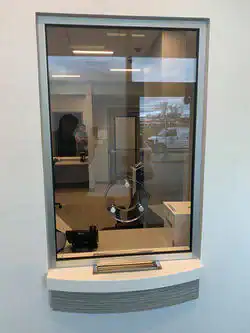
In commercial spaces, such as banks and retail stores, integrating bullet-resistant materials into storefronts or teller windows can deter crime. For instance, a bank that installed bulletproof glass saw a 40% decrease in armed robberies, illustrating the effectiveness of these materials.
2. Educational Institutions
For schools facing safety threats, incorporating bullet-resistant designs in classroom windows and administrative offices is essential. A case study showed that a school that upgraded its windows to bullet-resistant types reported a 30% improvement in safety perceptions among students and parents.
3. Residential Use
Home security is now more critical than ever. By installing bullet-resistant doors and windows, homeowners can enhance their safety. Real estate experts note that homes with upgraded safety features, including bullet-resistant materials, can see property values rise by 10-20%.
4. Transportation
In public transportation systems, bullet-resistant barriers protect both personnel and passengers. For example, new buses equipped with bullet-resistant glass increased passenger confidence and ridership by approximately 15% within the first year of implementation.
5. Military and Law Enforcement
For military and law enforcement personnel, bullet-resistant gear is essential for survival. Vehicles fitted with advanced bullet-resistant materials have shown to increase the survivability of troops in combat zones by as much as 50%, significantly impacting mission success.
Eye-level view of modern bulletproof glass installation in an urban setting.
Modern bulletproof glass providing safety in urban architecture.
Advantages of Using Bullet-Resistant Materials
The benefits of bullet-resistant materials extend beyond mere protection. Here are a few key advantages:
1. Enhanced Protection
The primary advantage is improved protection against firearms. These materials are designed to absorb and dissipate bullet energy, significantly reducing injury risks.
2. Longevity and Durability
Bullet-resistant materials can withstand harsh conditions, ensuring structures remain intact longer. This durability results in reduced costs for repairs and replacements over time, ultimately benefiting the budget.
3. Increased Property Value
Safety investments increase property value. Properties with bullet-resistant features not only add security but also attract potential buyers due to enhanced aesthetic appeal, leading to better resale opportunities.
4. Peace of Mind
A safe environment fosters a sense of security among occupants. This reassurance often translates to higher employee productivity and improved customer satisfaction.
5. Customizable Solutions
Bullet-resistant materials come with various customization options to meet design needs. This adaptability allows designers to create attractive yet secure environments without sacrificing style.

Challenges in Implementing Bullet-Resistant Materials
Despite their advantages, using bullet-resistant materials presents challenges that designers should consider.
1. Cost Factors
Bullet-resistant materials tend to be more expensive than traditional ones. For example, while standard glass may cost $25 per square foot, bullet-resistant glass can reach $100 per square foot. However, weighing the long-term security benefits against their initial costs is crucial.
2. Weight Considerations
Many bullet-resistant materials are heavier than standard materials, limiting design options. Designers must navigate structural implications when planning their projects to ensure feasibility.
3. Design Limitations
Incorporating bullet-resistant materials may challenge aesthetics. However, innovative designers have successfully blended safety with visual appeal through creative designs, showcasing that security doesn’t have to sacrifice style.
Future Trends in Bullet-Resistant Design
As technology evolves, so does the field of bullet-resistant design. Here are some trends to watch:
1. Lightweight Materials
Research focuses on developing lightweight bullet-resistant materials. Innovations in composites may lead to secure options that are easier to handle and install without compromising safety.
2. Sustainable Solutions
A growing demand for environmentally friendly materials is driving the development of sustainable bullet-resistant options. This trend allows designers to prioritize safety while adhering to eco-friendly practices.
3. Smart Technologies
Integrating smart technology into bullet-resistant designs is a promising prospect. Features that automatically alert authorities in emergencies could reshape how security is managed in high-risk environments.
4. Versatility in Design
As the industry grows, designers will likely find more customizable bullet-resistant solutions that balance safety needs with unique aesthetic requirements.
High angle view of a fortified entrance featuring bullet-resistant doors.
Fortified entrance demonstrating modern security features.
Emphasizing the Importance of Bullet-Resistant Materials
The role of bullet-resistant materials in design planning is vital. As safety concerns grow, incorporating such materials enhances protection, adds property value, and positively impacts user experience.
While challenges like cost and weight exist, the benefits far exceed these considerations. With ongoing innovations and the trend toward sustainable solutions, the future of bullet-resistant materials looks bright. Designers should embrace these advancements to create environments that prioritize safety without sacrificing aesthetics.
In any design context-be it commercial, educational, or residential-considering bullet-resistant materials is essential for future-proofing designs. In a world where uncertainty looms large, prioritizing safety is not merely a choice; it is a necessary evolution for modern design practices.