
The short answer
Choosing bullet resistant windows for schools isn't as simple as picking a glass rating and placing an order. The system — frame, glazing, and hardware together — determines whether you actually have a compliant ballistic assembly or just an expensive window.
This guide walks through what security teams, facilities managers, and administrators need to understand before specifying or purchasing school security glass. From UL 752 levels to the film-versus-glazing misconception that's catching schools off guard, we cover the questions that matter most.
In this article
- What "Bullet Resistant" Actually Means for School Security Glass
- Understanding UL 752 Levels for K-12 School Security
- Bullet Resistant Window Film vs. True Ballistic Glazing: Why the Difference Matters for Schools
- The System Specification Mistake That Leaves Schools Exposed
- What a Complete, Audit-Ready Ballistic Window Assembly Requires
- Prioritizing Ballistic Glazing: Where to Start in Your School
- Making the Right Choice for Your School's Ballistic Protection
Most school administrators don't set out to become ballistic glazing experts. You're trying to protect students, satisfy a board directive, or make smart use of a security grant — and suddenly you're wading through UL 752 levels, competing vendor claims, and products marketed as "bulletproof" that may not stop a single shot.
It's a lot. And the stakes are too high to get it wrong.
This page is written for the people making these decisions — security directors, facilities managers, and administrators who need straight answers, not a sales pitch. Here's what you actually need to know before your school buys bullet resistant windows.
What "Bullet Resistant" Actually Means for School Security Glass
The word "bulletproof" gets used constantly in this space — by vendors, in headlines, even by well-meaning legislators. But it's technically wrong, and understanding why matters before you spend a dollar.
No glazing material can stop every possible projectile. What UL 752-rated systems do is resist penetration from defined threats, tested under controlled conditions. A window rated to UL 752 Level 3 will stop .44 Magnum rounds fired at close range. It is not designed to stop armor-piercing rifle ammunition. That's not a flaw — it's a specification, and matching the right specification to your school's actual threat environment is the whole game.
The key word is "resistant." Any manufacturer who tells you otherwise is either misinformed or not being straight with you.
Understanding UL 752 Levels for K-12 School Security
UL 752 is the primary standard for ballistic-rated architectural products in the United States, produced by Underwriters Laboratories. It covers glazing, windows, doors, partitions, and barriers — and it runs from Level 1 through Level 10, each defined by the specific ammunition and number of shots the assembly must withstand.
For most K-12 schools, the conversation starts around Levels 1 through 3. Level 1 stops three or more shots from a 9mm handgun — appropriate for transaction windows in a school front office where the primary concern is a handgun threat at close range. Level 3 stops .44 Magnum rounds and is the most commonly recommended level for main entrances and vestibules, because it provides meaningful protection against the most statistically common firearm threats while remaining cost-effective for institutional budgets.
Levels 4 through 8 move into rifle and shotgun territory. These are specified for higher-risk environments — government facilities, police stations, military installations — though certain school situations may warrant them depending on a formal threat assessment.
It's worth knowing that UL recently updated the standard. The 12th Edition now uses performance designations — UL-HG- for handguns, UL-RF- for rifles, UL-SG- for shotguns — rather than the older numeric levels. If you're reviewing product documentation or a vendor quote, confirm which edition the product was tested under. The 11th Edition numeric levels are still widely referenced, and both systems are valid, but they need to match your specification language to avoid confusion during procurement or audit.
When a bullet strikes the exterior face of a rated window, glass fragments can break free from the interior face — that's spall. In a school reception area or administrative office where staff are working directly behind the glass, a "no spall" or "low spall" supplementary designation is a meaningful safety difference. Ask for it specifically.
Bullet Resistant Window Film vs. True Ballistic Glazing: Why the Difference Matters for Schools
This is the misconception causing the most real-world harm in school security purchasing right now. Window film vendors — some operating in good faith, some not — market their products using language like "bulletproof film" or "ballistic-grade film." School administrators, working with limited budgets and limited technical background, sometimes purchase these products believing they've solved the ballistic threat.
They haven't. No retrofit film applied to existing glass meets UL 752 ballistic standards. The Security Industry Association published a formal warning about this in 2024, specifically directed at administrators and legislators. Security film can slow a forced entry, reduce glass fragmentation in an impact, and provide meaningful protection against some threats — but it cannot stop bullets. It is a different product category entirely.
The practical implication for schools is serious: a building where film has been installed over standard glass may give administrators and staff a false sense of protection. In an active threat scenario, that false confidence can affect decision-making in ways that matter.
If you're evaluating options and a vendor is offering film as a ballistic solution, ask them directly: "Is this product tested and certified to UL 752?" If the answer is anything other than a clear yes with documentation, you're looking at a different product than what you need. True bullet resistant glazing for schools — glass-clad polycarbonate, laminated polycarbonate, or similar materials — is engineered from the ground up to resist ballistic penetration, not applied as an afterthought to existing glass.
The price difference is real. So is the protection difference.
The System Specification Mistake That Leaves Schools Exposed
Here's what most vendors won't tell you, and it's the single most important thing a security team or procurement officer needs to understand: rated glazing installed in an unrated frame is not a compliant ballistic assembly.
The glass is only one component. The frame, the glazing, and the hardware must all be rated elements of a complete, certified system. A school that purchases UL 752-certified glass and installs it in a standard aluminum frame has not purchased ballistic protection — it has purchased expensive glass in a non-rated enclosure.
This becomes a serious issue during security audits, insurance reviews, and — worst of all — post-incident investigations. The system has to hold together as a unit.

What a Complete, Audit-Ready Ballistic Window Assembly Requires
A compliant ballistic window system has three certified components working together: the glazing material, the frame, and the hardware. Each must be rated. Each must be specified and documented. Ideally, each should come from a manufacturer who engineers and supplies the complete assembly — not a glazing supplier who hands you glass and leaves the framing to someone else.
Frame engineering matters more than most buyers realize. Beyond simply holding rated glazing, a well-engineered frame is designed to capture and retain the projectile on impact, reducing the risk of ricochet or lateral penetration. In a school environment where staff or students may be nearby, that's not a minor detail.
Hardware certification is the piece that gets overlooked most often. Hinges, closers, and locking mechanisms on ballistic doors and windows are part of the rated assembly. A door with certified glazing and a certified frame loses its rating if the hardware isn't part of the tested system.
When you're evaluating manufacturers, ask for the complete test documentation — not just the glazing certification. Ask which edition of UL 752 the system was tested under. Ask whether the frame is independently rated or whether the rating applies only to the glazing. Ask about the spall designation. These questions will tell you very quickly whether you're talking to someone who manufactures complete ballistic systems or someone who sells glass and figures the rest is your problem.
For schools using federal or state grant funding — and there are active grant programs available at both levels, with a proposed $900 million federal program under legislative consideration — procurement documentation requirements often include manufacturer certifications, country of origin, and quality management credentials. Made-in-USA manufacturing and documented testing to recognized standards aren't just quality indicators; they're frequently procurement requirements.
Prioritizing Ballistic Glazing: Where to Start in Your School
Full-campus replacement isn't realistic for most school districts, and it isn't necessary. The security value in ballistic glazing comes from strategic placement — hardening the points that matter most, in a sequence that makes sense given your budget and threat profile.
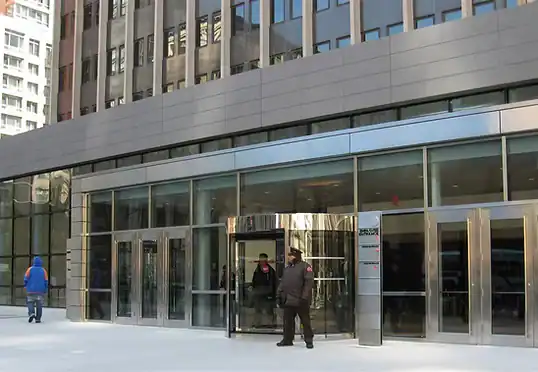
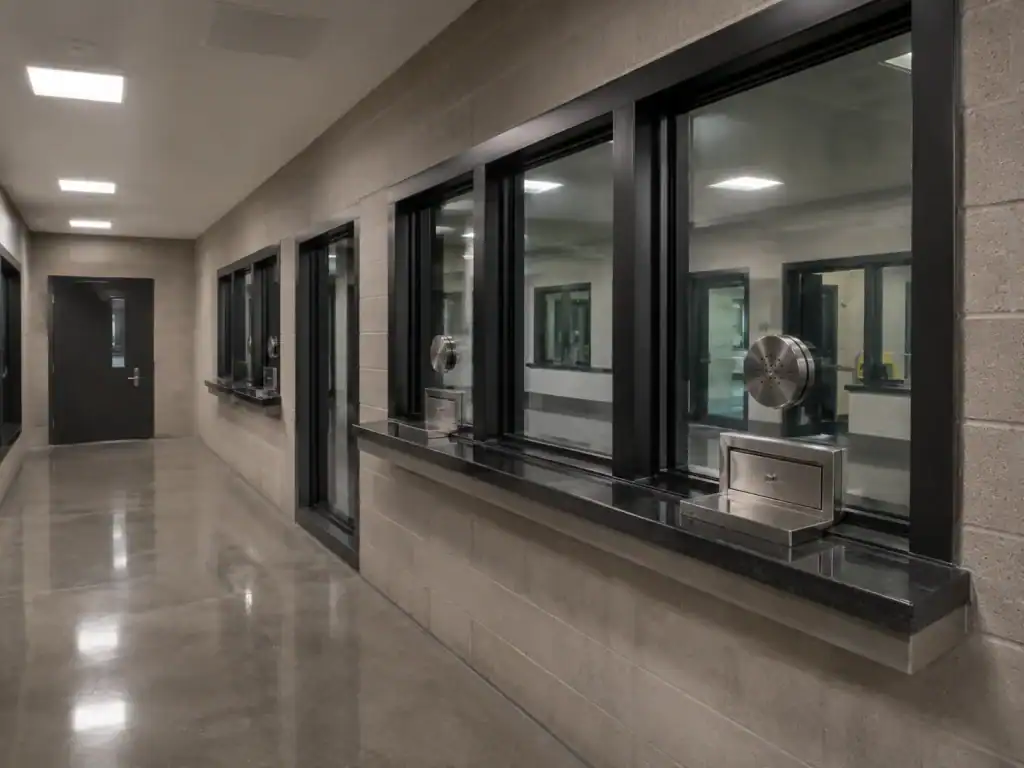
The main entrance and security vestibule are almost always the first priority. This is the controlled access point where visitors are screened, where staff interact with the public through transaction windows, and where a determined attacker is most likely to attempt entry. Hardening this zone — with rated glazing, a rated frame, rated transaction windows with speak-thrus or pass-throughs, and a rated door system — creates a meaningful barrier at the most vulnerable point of the building.
The front office and administrative areas are a close second. Staff in these spaces are often the first to encounter a threat, and they're working in close proximity to glazing that faces public-access corridors or exterior views. A rated transaction window with a no-spall designation protects the people who need to stay calm and operational in an emergency.
From there, prioritization depends on your building's layout and threat assessment. Cafeterias, gymnasiums, and other large-occupancy spaces are sometimes addressed in a second phase. Classroom doors and interior glazing are increasingly part of the conversation as school security thinking evolves beyond the perimeter.
A phased approach — starting with the entrance, vestibule, and front office — gives your school meaningful, documented, audit-ready protection at the highest-risk points, while leaving a clear roadmap for future hardening. That's also a more defensible position when presenting to a school board or grant program: a specific, prioritized plan backed by recognized standards, not a vague request for "security upgrades."
Making the Right Choice for Your School's Ballistic Protection
The decisions your security team makes about ballistic glazing will outlast any single school year. These are capital investments in permanent infrastructure, and getting the specification right the first time — complete system, correct UL 752 level, documented certifications, appropriate spall designation — is far less costly than discovering the gaps during an audit or, worse, an incident.
The most important thing you can take from this page is the system-level mindset. It's not just about the glass. It's about the frame, the hardware, the documentation, and the manufacturer who stands behind all of it.
We at Action Bullet Resistant have been engineering and manufacturing complete ballistic systems for more than 45 years. If your school is in the early stages of evaluating options or ready to move into specification, we're here to help — reach out and we'll walk through what the right system looks like for your building.